The Skinny Line Between Possible and Plausible
June 8, 2026, 10:42 AM
By now most people have heard that Hikma v. Amarin, No. 24–889 (June 4, 2026), was an overall favorable decision for skinny labeling. But what are the practical takeaways? Here we outline the facts and factors considered by the Supreme Court, and how those can be applied by industry to skinny labels going forward.

The Case
- This is a post-launch infringement case, so Amarin’s induced infringement arguments relied on facts largely outside the ANDA label.
- The district court found Amarin’s reliance on Hikma’s website, press releases, and required labeling language insufficient to allege inducement and granted a motion to dismiss but was subsequently overturned at the Federal Circuit.
What SCOTUS Did
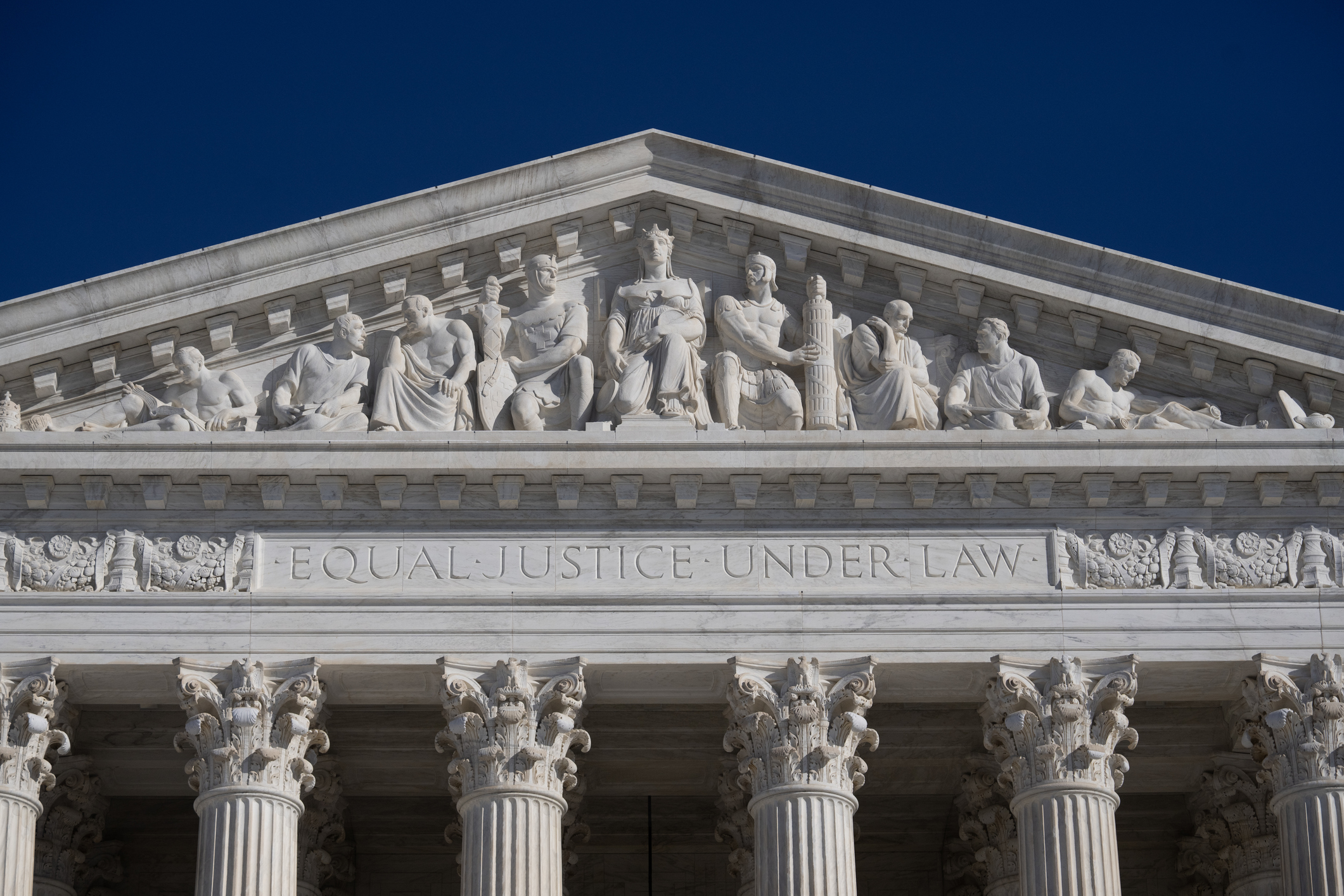
- The Supreme Court unanimously reversed the Federal Circuit.
- It explicitly pushed back against “the recent approach of the Federal Circuit, which has increasingly trained its focus on whether the relevant statements could be read by medical providers as instructions to infringe.”
- The Court “reject[ed] that trend” and instead “emphasize[d] that the key question is whether a defendant actively encouraged infringement through its statements, not merely how others may understand those statements.”
- The Court was unpersuaded that any of the facts cited by Amarin were evidence of active inducement by Hikma.
- “[I]mplicit or explicit, the necessary inducement must be ‘clear’ to the relevant audience and ‘affirmative.’”
The Skinny Label Sanctuary: Walking the Brand-Generic Tightrope Safely
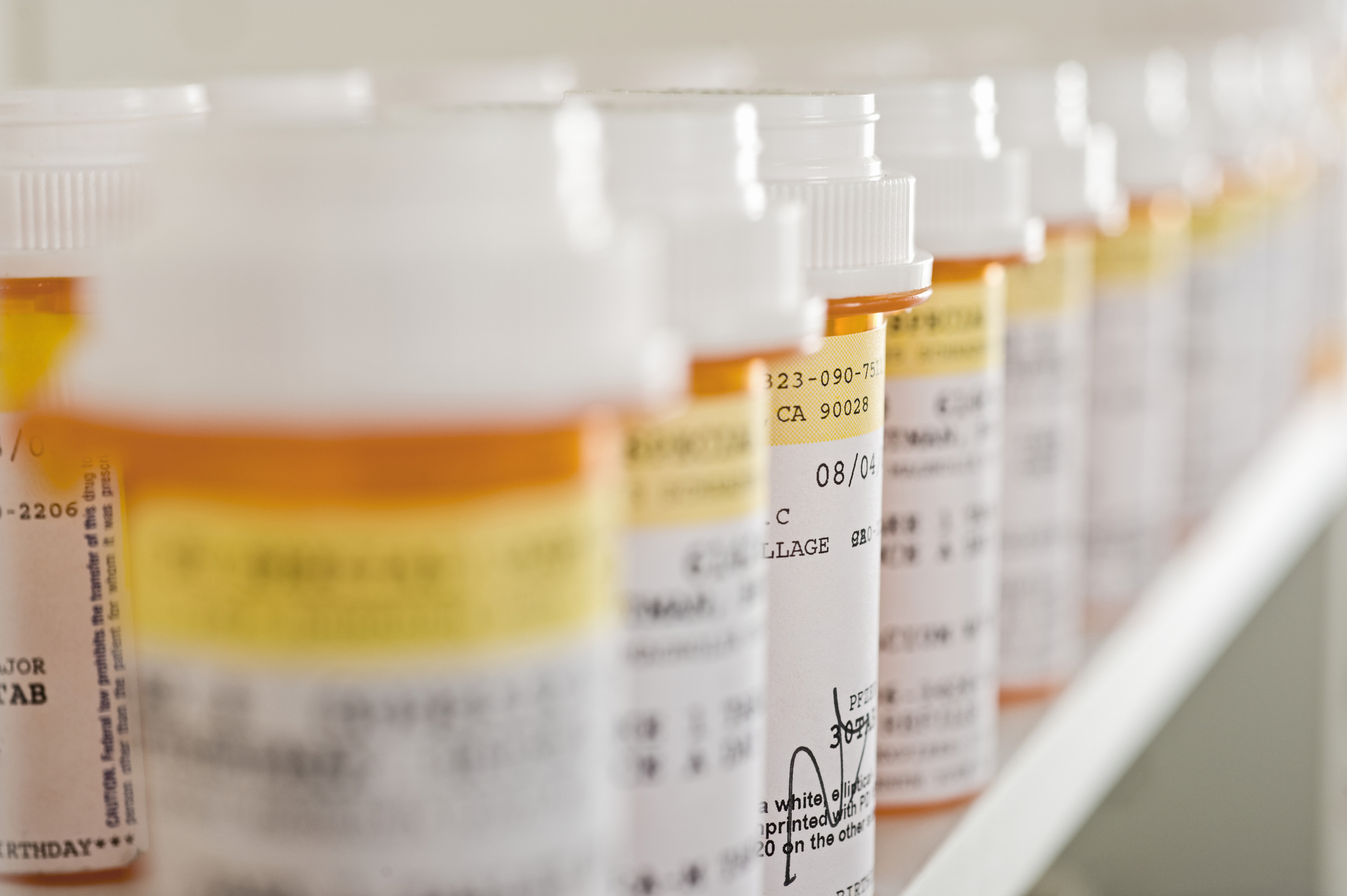
- Referring to a drug as “generic” or “AB rated”: Using these terms is normal industry practice, and therapeutic equivalence ratings are definitionally limited to the methods of use for which the generic product is approved.
- Mentioning overall sales figures: Criticized by the Court as “the vaguest of the ‘vague’ statements,” such disclosures alone can’t actively encourage infringement if they require parsing and multiple steps to arrive at the infringing acts.
- Referencing additional uses: Affirmative statements that a particular generic drug is approved for fewer than all approved uses does not, without more, plausibly encourage others to infringe. The Court noted that simple omissions, inactions, and nonfeasance are not active steps to induce.
- Noting required labeling language: Because a generic label must generally be identical save the specific carved use, information required by statute such as clinical study summaries are not generally evidence of active inducement.

Will the Courts React?
- District courts may feel more empowered to summarily dismiss skinny label infringement cases that rely on only vague or speculative evidence.
- The Federal Circuit may moderate their approach and become more hesitant to overturn district dismissals of skinny label cases in the future.
To subscribe to our publications, click here.
News & Insights
News & Insights
Concurrences New Frontiers of Antitrust Conference 2026
Sponsorship
Antitrust
Stakeholders 26th Annual CYOC Conference
Event
Antitrust
ALFDP 20th Anniversary Annual Conference
Event
Antitrust
GCR Live: Women in Antitrust 2026
Sponsorship
Antitrust
GICLI Annual Meeting 2026
Sponsorship
Antitrust
Informa CompLaw Advanced EU Conference 2026
Sponsorship
Antitrust
Wild Tomorrow 2026 Annual Gala
Sponsorship
Antitrust
NAPABA Annual Convention 2026
Sponsorship
Antitrust
Law.com General Counsel Conference East 2026
Sponsorship
Antitrust
Economist Enterprise's 1st Annual Antitrust Summit US
Sponsorship
Antitrust
