Fixing “Litigate the Fix”: Insights from the FTC’s Workshop
May 29, 2026, 8:50 AM
By: Jeny M. Maier, James Degnan III
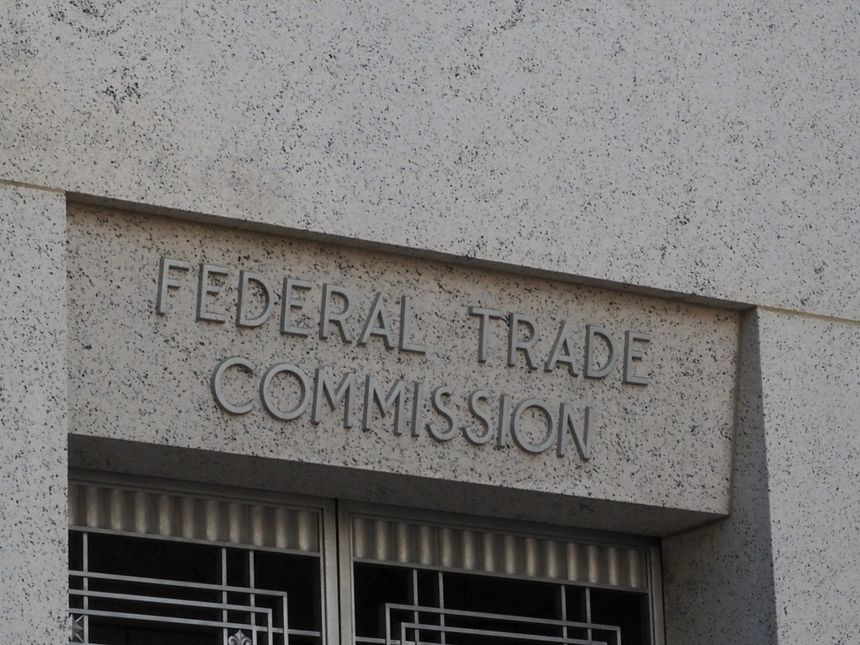
Last week, the FTC held a workshop entitled “Eleventh-Hour Antitrust Remedy Proposals and Litigating the Fix,” featuring remarks by FTC Chairman Andrew Ferguson and FTC Commissioner Mark Meador. The workshop also included two panel discussions featuring government, private sector, and academic participants, as well as a fireside chat with Judge Charles Eskridge of the Southern District of Texas. The purpose of the workshop was to discuss the rise in “litigate-the-fix” cases (i.e., merger litigation where the antitrust agency challenges the deal, but the merging parties have proposed a remedy, either before or after the agency’s complaint is filed) and how federal enforcers and the courts should respond. There have been several recent merger challenges in which the parties have successfully asserted that their proposed “fix” sufficiently addresses the agency’s competition concern with their transaction, including DOJ’s challenge to UnitedHealth Group/Change Healthcare and FTC’s challenge to GTCR/Surmodics, resulting in a string of unfavorable case law for the government.
Several key themes reverberated through the workshop’s discussions:
Distancing from Biden Administration Policies. The FTC Commissioners and several panelists used the workshop as a further opportunity to contrast the current Commission’s approach to merger review with the anti-M&A approach during the previous administration under Chair Khan. The Biden administration enforcers at DOJ and FTC were notable for their policy preference for bringing litigation to challenge deals rather than accepting remedies. Chairman Ferguson and Commissioner Meador each made comments indicating that the Commission is willing to negotiate remedies with merging parties that allow transactions to proceed. Ferguson expressed a desire to achieve a “middle ground” where substantive negotiation on remedies is welcomed, while emphasizing that the FTC will continue to closely scrutinize remedies to ensure they sufficiently mitigate potential anticompetitive effects of transactions.
Decisions Creating Disadvantages for the Government. Speakers and panelists agreed that “litigate the fix” scenarios in which remedies are proposed late in the review process, either during advanced investigatory stages or in litigation itself, disadvantage merger enforcers and create case management burdens on courts. Regardless of whether the remedy proposals are made in good faith or as “gamesmanship” intended to improve merging parties’ litigation position, these late-stage proposals impose significant analytical and resource constraints on government enforcers. While government representatives communicated an openness to considering remedies during the review process, an overriding theme of their remarks was a need to address a perceived advantage in litigation held by merging parties as a result of recent court decisions favoring the parties.
Potential Barriers to Engagement on Remedies. Although the challenges of “litigate the fix” are well recognized, the workshop’s two panels highlighted the difficulties involved for merging parties and the government in addressing situations where a consent remedy may be possible, but the prospect of reaching a mutually-acceptable agreement is uncertain. Government enforcers called for the merging parties to engage early and be upfront about the transaction’s potential competitive issues. Private practitioners noted countervailing forces that weigh against early engagement on remedies, including a desire to avoid “negotiating against oneself” by proposing remedies voluntarily if remedies may not in fact be needed for the transaction to proceed.
- Predictive Nature of Merger Analysis Creates Challenges for All Sides. The workshop reiterated the difficulties all parties face when determining the need for and scope of any remedy proposed in a merger, particularly if the merger may reach litigation. This sentiment was underscored in a fireside chat with Judge Eskridge, who discussed the challenges inherent in evaluating predictive remedy questions like those he faced when deciding the FTC’s recent challenge to Tempur Sealy’s acquisition of Mattress Firm. Judge Eskridge specifically noted that late-stage remedy proposals also make it difficult for judges to fully evaluate proposed remedies.
- Repairing a Breach of Trust. Looking ahead, the discussions showed that no silver bullet can fully resolve the complex incentives merging parties and the government face when approaching remedy assessment during the merger review and litigation process. Comments from Chairman Ferguson and Commissioner Meador during the workshop highlighted that although the agency has expressed that it is more open to deals and is actively encouraging increased dialogue between merging parties and agency staff, the agencies also need to create an environment in which merging parties and agency staff have sufficient trust in the process to facilitate open and productive conversations about remedies.
"...the value of [the FTC’s investigative authority] depends on a working relationship in which both enforcers and merging parties engage in good faith."
Related People

Related Services
To subscribe to our publications, click here.
News & Insights
News & Insights
Economist Enterprise's 1st Annual Antitrust Summit US
Sponsorship
Antitrust
Connecticut Technology Council's 2026 Women of Innovation Awards
Sponsorship
Intellectual Property
California Lawyers Association Annual Golden State Institute 2026
Sponsorship
Antitrust
Consero Healthcare General Counsel Forum 2026
Sponsorship
Antitrust
Energizing Tomorrow: The Future of Energy, Antitrust & International Business Law
Sponsorship
Antitrust
AHLA Antitrust in Health Care Conference
Webinar
Antitrust
IBA Annual Conference 2026
Sponsorship
Antitrust
SCCE 25th Annual Compliance & Ethics Institute
Speaking Engagement
Antitrust
CCWC 22nd Annual Career Strategies Conference
Sponsorship
Fordham Competition Law Institute's 53rd Annual Conference on International Antitrust Law and Policy, and Antitrust Economics Workshop
Sponsorship
Antitrust
